
Introduction
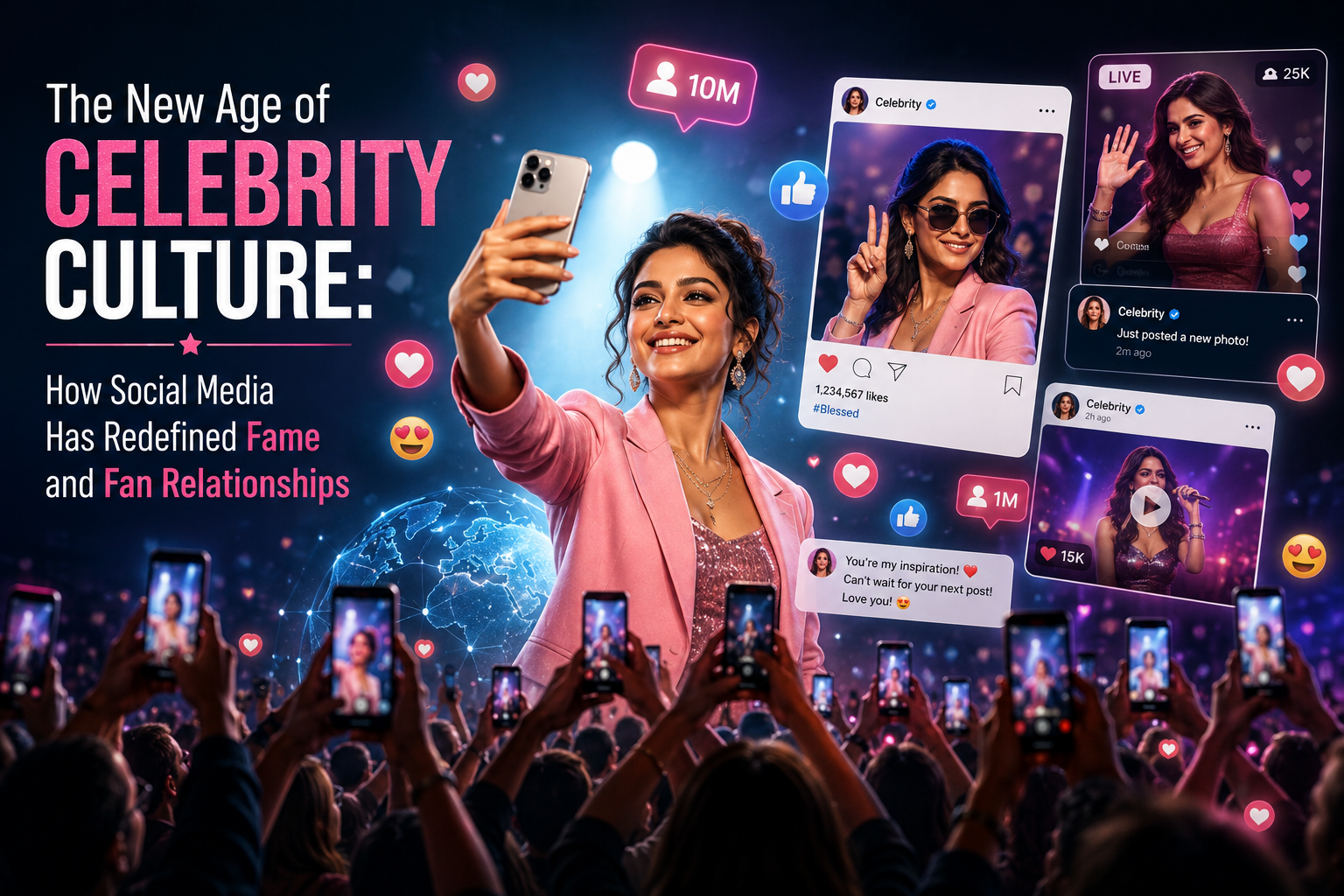
Celebrity culture has changed dramatically in the digital era. In the past, actors, musicians, athletes and television personalities primarily connected with audiences through films, interviews, magazines, television appearances and public events. Today, social media allows public figures to communicate with millions of followers directly.
This shift has transformed the meaning of fame. Celebrities are no longer visible only when they appear in professionally produced content. They can share daily updates, behind-the-scenes moments, opinions, projects and personal interests with audiences at any time.
The result is a more immediate and interactive relationship between public figures and their fans.
From Distant Stars to Digital Personalities
Traditional celebrity culture often created a sense of distance between stars and audiences. Fans could admire celebrities through films, television programmes or magazines but had limited opportunities to communicate with them.
Social media has changed this dynamic. Platforms allow celebrities to publish content directly and interact with followers through comments, live sessions and other digital formats.
Although the relationship remains unequal in scale, the perception of accessibility has increased. Fans may feel that they know more about a celebrity because they regularly see posts about their interests, routines or professional activities.
The Rise of Personal Branding
Social media has made personal branding increasingly important. Celebrities can now shape their public image beyond the roles they perform.
An actor can discuss fitness, fashion, books or social causes. A musician can share creative processes. An athlete can build a personal brand around training, lifestyle and motivation.
This can create new commercial opportunities because brands increasingly look at audience engagement and digital influence when selecting public personalities for collaborations.
Fans Are Becoming Active Participants
Modern fandom is no longer limited to watching films or buying music. Fans participate in discussions, create edits, share clips, organise online communities and promote their favourite personalities.
Digital fan communities can generate enormous attention around a project. A trailer, song or interview can become widely discussed within hours.
This participation has given audiences greater influence over the visibility of entertainment content.
The Pressure of Constant Visibility
However, the digital era also creates challenges for celebrities. Social media encourages constant visibility, and audiences may expect frequent updates.
Public figures can face criticism over statements, photographs, personal decisions or even minor misunderstandings. A post intended for a limited audience can quickly reach millions of people.
The pressure to remain relevant can also encourage celebrities to maintain a continuous online presence, which may create professional and personal challenges.
The Changing Role of Traditional Media
Traditional media has not disappeared, but its relationship with celebrity culture has changed. Interviews and television appearances are often supplemented by direct social media communication.
News organisations may report on social media posts, while celebrities can announce projects directly to followers without waiting for a traditional media publication.
This has increased the speed at which celebrity news travels. It has also made verification more important because rumours and misleading claims can spread quickly online.
Influencers and the Expansion of Fame
Social media has also expanded the definition of celebrity. Influencers, content creators, streamers and digital personalities can develop large audiences without appearing in films or television programmes.
Some creators have become entertainment brands in their own right. They can earn revenue through advertising, partnerships, subscriptions, merchandise and live events.
This has created a more diverse entertainment ecosystem in which fame can emerge from many different forms of content.
Authenticity and Audience Trust
One of the strongest factors behind digital celebrity culture is the perception of authenticity. Audiences often respond positively when public figures appear relatable or transparent.
However, maintaining authenticity can be difficult when social media content is connected to commercial partnerships. Audiences may question whether a recommendation reflects genuine preference or advertising.
Clear communication and responsible disclosure can therefore become important for maintaining trust.
The Future of Celebrity Culture
Celebrity culture will likely become increasingly interactive and platform-driven. Emerging technologies may create new opportunities for virtual events, immersive fan experiences and personalised communication.
At the same time, the fundamental appeal of celebrity culture will remain connected to storytelling, talent and emotional connection.
Conclusion
Social media has fundamentally changed how fame is created, maintained and experienced. Celebrities now have direct access to audiences, while fans have greater opportunities to participate in conversations surrounding entertainment personalities.
The new celebrity economy offers opportunities but also demands greater responsibility. In an environment where information travels rapidly, public figures must balance visibility with privacy, authenticity and careful communication.
The future of fame will likely be less about simply being seen and more about building meaningful, sustainable relationships with audiences.