
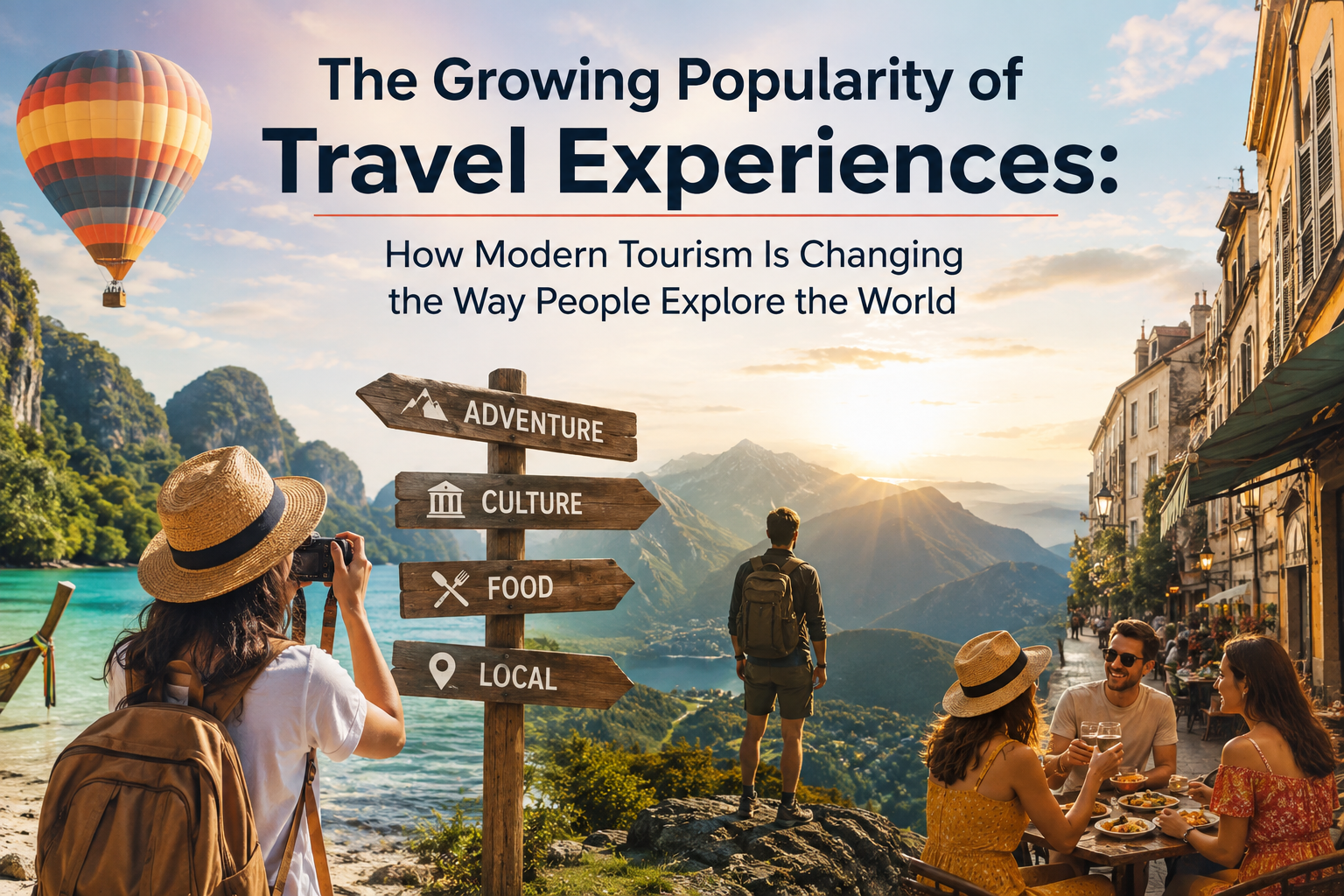
Travel has always been a way for people to discover new places, cultures, traditions, food, landscapes, and communities. However, the meaning of travel has changed significantly in the modern era. For many people, tourism is no longer limited to visiting famous landmarks and taking photographs. Travelers increasingly want meaningful experiences, local interactions, unique activities, and opportunities to understand the places they visit.
The growth of digital technology, improved transportation, online booking platforms, social media, and changing lifestyle preferences has made travel more accessible and diverse. People can research destinations, compare accommodation options, create itineraries, book experiences, and share their journeys online with just a few clicks.
This transformation is creating new opportunities for the tourism industry while also encouraging travelers to think more carefully about how they explore the world.
The Evolution of Modern Travel
Travel has changed considerably over the years. Earlier, planning a trip often involved travel agencies, printed guidebooks, physical maps, and recommendations from friends or family.
Today, travelers have access to an enormous amount of information online.
Digital Tools Have Simplified Trip Planning
Travelers can research destinations, compare prices, read reviews, view photographs, check transportation options, and explore maps before leaving home.
Mobile applications can also help travelers organize reservations, navigate unfamiliar locations, translate information, and stay connected during their journeys.
This has made independent travel easier for many people.
Social Media Influences Travel Decisions
Social media has become a major source of travel inspiration.
Photographs, short videos, travel blogs, and creator recommendations can introduce people to destinations they may not have previously considered.
A beautiful landscape, unique local experience, or interesting cultural activity can quickly attract attention online.
However, travelers should also remember that social media often presents carefully selected moments rather than the complete reality of a destination.
Experience-Based Travel Is Becoming More Popular
Modern travelers increasingly want experiences rather than simply collecting destination names.
Travelers Want Authentic Experiences
Instead of visiting only popular tourist attractions, some travelers want to understand local lifestyles.
They may explore local markets, participate in traditional activities, attend cultural events, learn regional cooking techniques, or interact with local communities.
These experiences can make travel more memorable and provide a deeper understanding of a destination.
Food Tourism Is Growing
Food is an important part of travel.
Many travelers plan trips around local cuisine and enjoy discovering regional dishes, street food, traditional restaurants, cafés, markets, and food festivals.
Trying local food can provide insight into the history, geography, agriculture, and cultural traditions of a place.
Domestic Tourism Continues to Offer Opportunities
Travel does not always require visiting another country.
Many travelers are discovering destinations within their own region or country.
Exploring Local Destinations
Domestic tourism allows people to discover historical sites, natural landscapes, cultural centers, beaches, mountains, villages, and cities that may be closer to home.
Short trips can also be easier to organize because they often require less time and planning.
Weekend Travel Is Becoming Popular
Busy professionals may not always have the opportunity to take long vacations.
Weekend trips and short breaks provide a way to enjoy travel without requiring an extended absence from work or other responsibilities.
These shorter journeys can also support tourism businesses in nearby destinations.
Sustainable Tourism Is Gaining Attention
As tourism grows, sustainability has become increasingly important.
Popular destinations can sometimes experience challenges related to waste, overcrowding, environmental pressure, and excessive resource use.
Responsible Travelers Can Make Better Choices
Travelers can contribute to responsible tourism by respecting local communities, avoiding unnecessary waste, following environmental guidelines, and supporting local businesses.
Simple actions such as carrying reusable items, avoiding littering, and respecting cultural sites can make travel more responsible.
Supporting Local Businesses
Choosing locally owned hotels, restaurants, shops, guides, and experience providers can help tourism income reach local communities.
This can create a stronger connection between tourism and regional economic development.
Technology Is Transforming the Travel Experience
Technology has become part of almost every stage of modern travel.
Online Booking Provides Convenience
Travelers can book flights, hotels, transportation, and activities online.
Comparison tools allow people to evaluate different options based on price, location, reviews, amenities, and availability.
This has made travel planning more flexible.
Mobile Navigation Makes Exploration Easier
Digital maps have made it easier to navigate unfamiliar cities and regions.
Travelers can find restaurants, attractions, transportation stations, shops, and other services without carrying physical maps.
Navigation technology can be especially helpful when visiting a destination for the first time.
The Growth of Solo Travel
Solo travel has become increasingly popular among people who want independence and personal exploration.
Freedom to Create a Personal Itinerary
Solo travelers can design their trips according to their own interests.
They can choose when to wake up, where to eat, which attractions to visit, and how long to stay at each location.
This flexibility can make travel highly personal.
Solo Travel Can Encourage Personal Growth
Traveling alone can encourage people to become more independent and confident.
Navigating unfamiliar places, communicating with new people, making decisions, and managing unexpected situations can provide valuable life experiences.
At the same time, solo travelers should plan carefully and prioritize personal safety.
Wellness Tourism Is Expanding
Travel is increasingly connected with health and well-being.
Wellness tourism can include yoga retreats, nature-based holidays, spa experiences, meditation programs, fitness-focused trips, and peaceful getaways.
Travelers Want Time to Recharge
Modern lifestyles can be demanding.
Some people travel specifically to disconnect from busy schedules and spend time in quieter environments.
Nature destinations, wellness resorts, and peaceful retreats can provide opportunities for relaxation.
Combining Travel With Healthy Activities
Travelers may choose destinations where they can walk, hike, cycle, swim, practice yoga, or participate in other recreational activities.
This allows tourism to become part of a broader lifestyle focused on well-being.
Adventure Tourism Is Attracting New Audiences
Adventure travel offers experiences beyond traditional sightseeing.
Activities such as trekking, camping, kayaking, cycling, hiking, and other outdoor experiences can attract travelers looking for excitement and physical activity.
Nature-Based Experiences
Natural landscapes provide opportunities for exploration and learning.
Mountains, forests, rivers, beaches, deserts, and wildlife areas can introduce travelers to different ecosystems.
Responsible tourism is particularly important in natural environments because visitors need to protect local habitats and follow established guidelines.
Cultural Tourism Creates Meaningful Connections
Culture is one of the most valuable parts of travel.
Historical monuments, traditional arts, music, architecture, festivals, crafts, languages, and local customs can help travelers understand the identity of a destination.
Respecting Local Traditions
Travelers should make an effort to understand and respect local customs.
Dress codes, religious practices, photography rules, food traditions, and social behavior can differ between destinations.
Respectful behavior helps create positive relationships between visitors and local communities.
Museums and Heritage Sites Matter
Museums, monuments, galleries, and heritage sites preserve stories from the past.
Visiting these places can make history more engaging because travelers can experience cultural heritage in a physical setting.
The Role of Travel Content Creators
Travel bloggers, photographers, vloggers, and social media creators have become important sources of travel inspiration.
Creators Make Destinations More Visible
A creator can introduce a destination to thousands or even millions of people.
Detailed travel guides, videos, photographs, and personal experiences can help audiences understand what a destination offers.
Responsible Content Creation Is Important
Creators also have a responsibility to represent destinations thoughtfully.
Overpromotion of sensitive locations can contribute to overcrowding. Sharing respectful and accurate information can help travelers make better decisions.
Challenges of Modern Tourism
Despite its many benefits, tourism can create challenges.
Overtourism
Popular destinations can sometimes receive more visitors than local infrastructure can comfortably support.
Large crowds can affect residents, natural environments, historical sites, and overall visitor experiences.
Responsible planning and visitor management can help address these concerns.
Travel Costs
Inflation, transportation expenses, accommodation prices, and activity costs can make travel difficult for some people.
Budget-conscious travelers can consider off-season travel, shorter trips, local destinations, public transportation, and carefully planned accommodation.
The Future of Travel
The future of tourism is likely to become more digital, personalized, and experience-focused.
Artificial intelligence may help travelers create customized itineraries, while digital tools may make booking and navigation even easier.
Virtual reality could also allow people to preview destinations before traveling.
At the same time, travelers are likely to continue valuing experiences that cannot be replaced by technology, including local food, cultural interaction, nature, and face-to-face connections.
Conclusion
Modern travel is becoming more than simply visiting new locations. Travelers increasingly want experiences that provide discovery, relaxation, cultural understanding, adventure, and personal growth.
Technology has made travel planning easier, while social media has expanded the way people discover destinations. At the same time, sustainable tourism and responsible travel are becoming increasingly important as communities consider the long-term effects of tourism.
Whether someone chooses a weekend getaway, a cultural journey, a nature retreat, or an international adventure, thoughtful planning can make the experience more meaningful.
The future of travel will likely combine technology and convenience with a growing desire for authentic experiences. As people continue to explore the world, responsible and respectful tourism can help ensure that destinations remain enjoyable, culturally rich, and environmentally valuable for future generations.